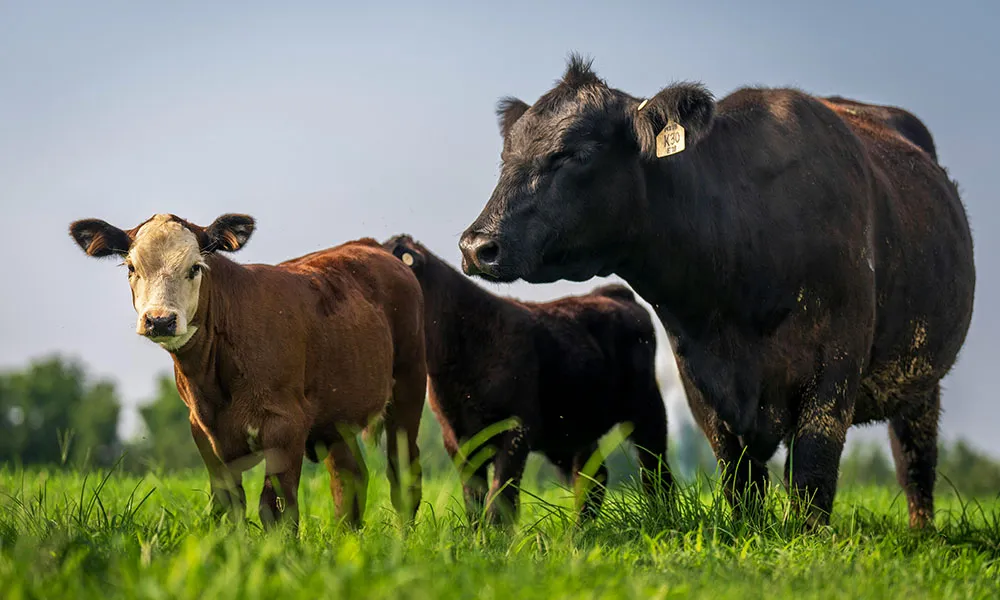
After an unsettled start to the year, the weather looks set to improve this week. For many farmers across the country, this development presents an excellent opportunity to turn cattle out. Wet and wintry conditions to date have resulted in limited grass growth so far in 2026, but this will likely change in the coming fortnight or so. Ideally, you should aim to capitalise on the first glut of grass, when it comes, by turning animals out as soon as ground is dry enough to support them.
Rotation planning
Rotation planning is essential if you want to maximise your spring grazing potential. If you haven’t fenced your grazing lands into paddocks yet, this is something you should do as soon as possible. This will allow you to control animal movement, protect regrowing grass, reduce poaching (soil damage), and manage your spring rotation planner effectively.
While your rotation should be tailored to the specific circumstances of your farm and soil type, there are a few golden rules that can help keep you on track.
Grazing medium covers first
In the first instance, it is always advisable to turn cattle onto medium covers (approx. 800-1100 kg DM/ha) first, as this will help to balance animal nutrition, promote optimal sward recovery, and prevent wasteful damage to pastures. This approach also ensures a smooth transition from stored winter feed to fresh grass, while also setting your farm up for high-quality grazing throughout the season.
However, tractability is also an important consideration. You should avoid turning animals onto wetter pastures at this time of year. Graze drier paddocks first, where possible.
Grazing-out
You should allow cattle to graze all paddocks down to 3.5cm. This approach facilitates the cleaning out of dead, winter-damaged grazing material and helps to reset the sward for rapid, leafy regrowth. Regrowth will be of better quality where paddocks have been grazed out in the spring, allowing for higher quality silage come the summer.
There are environmental benefits to early grazing out as well, as it reduces dependence on expensive, high-carbon-footprint feed and lowers farm emissions. Given that feed prices, like everything else, are likely to soar due to the ongoing war in the Middle East, the financial benefits are not to be sniffed at either.
Daily allocation
You should avoid giving cows access to an overlarge grazing area. A strict 12-hour allocation is recommended for spring grazing as this will allow you to maximise results from the high-quality grass you have. It also helps to protect soils from poaching, and ensures you have enough grass left for the second rotation.
At this time of year, ground conditions are always a concern. By rotating cows using a 12-hour allocation or daily strip-wire, you can keep damage to a minimum while still availing of high-quality spring grass.
Backfencing
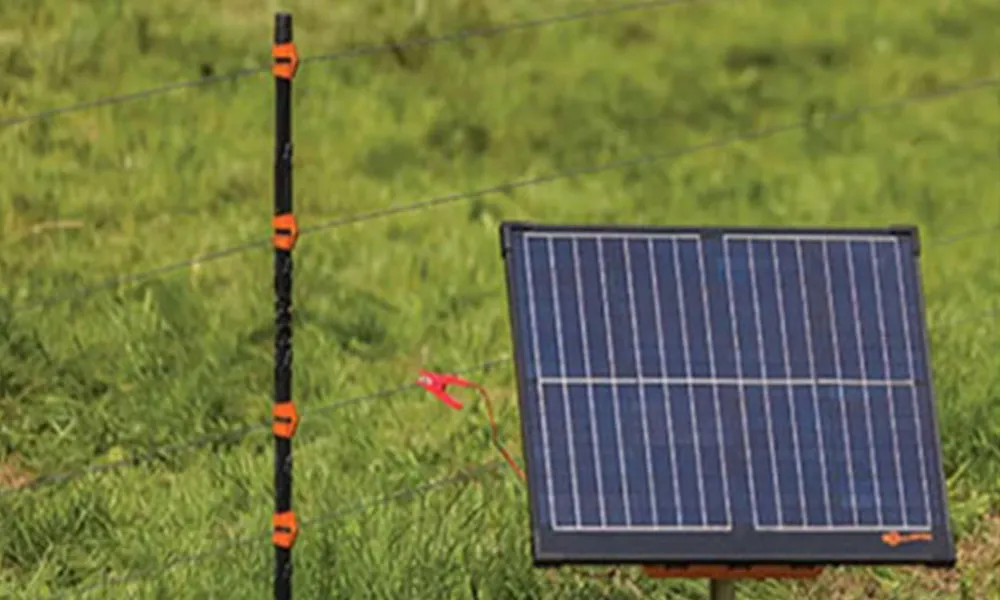
Given the volatile weather conditions we have experienced in 2026 to date, backfencing is also highly recommended for spring grazing. This will help you to protect newly grazed pastures from damage while facilitating proper grass regrowth for the next rotation.
Astute backfencing will allow you to manage nutrient intake more effectively.